
Tree Lighting in Covington, LA
Most homes already have beautiful features, yet darkness hides them as soon as the sun goes down. Tree lighting solves that problem by creating structure in the Landscape Lighting, guiding the eye toward focal points, and making the exterior feel cared for even when nobody is outside.
The best part is how natural it can feel when it is designed correctly, because it looks like the property simply belongs in the evening. LIT Outdoor Lighting builds that “it just looks right” feeling through thoughtful placement, consistent color, and dependable installation practices.
Why Tree Lighting Changes the Whole Property
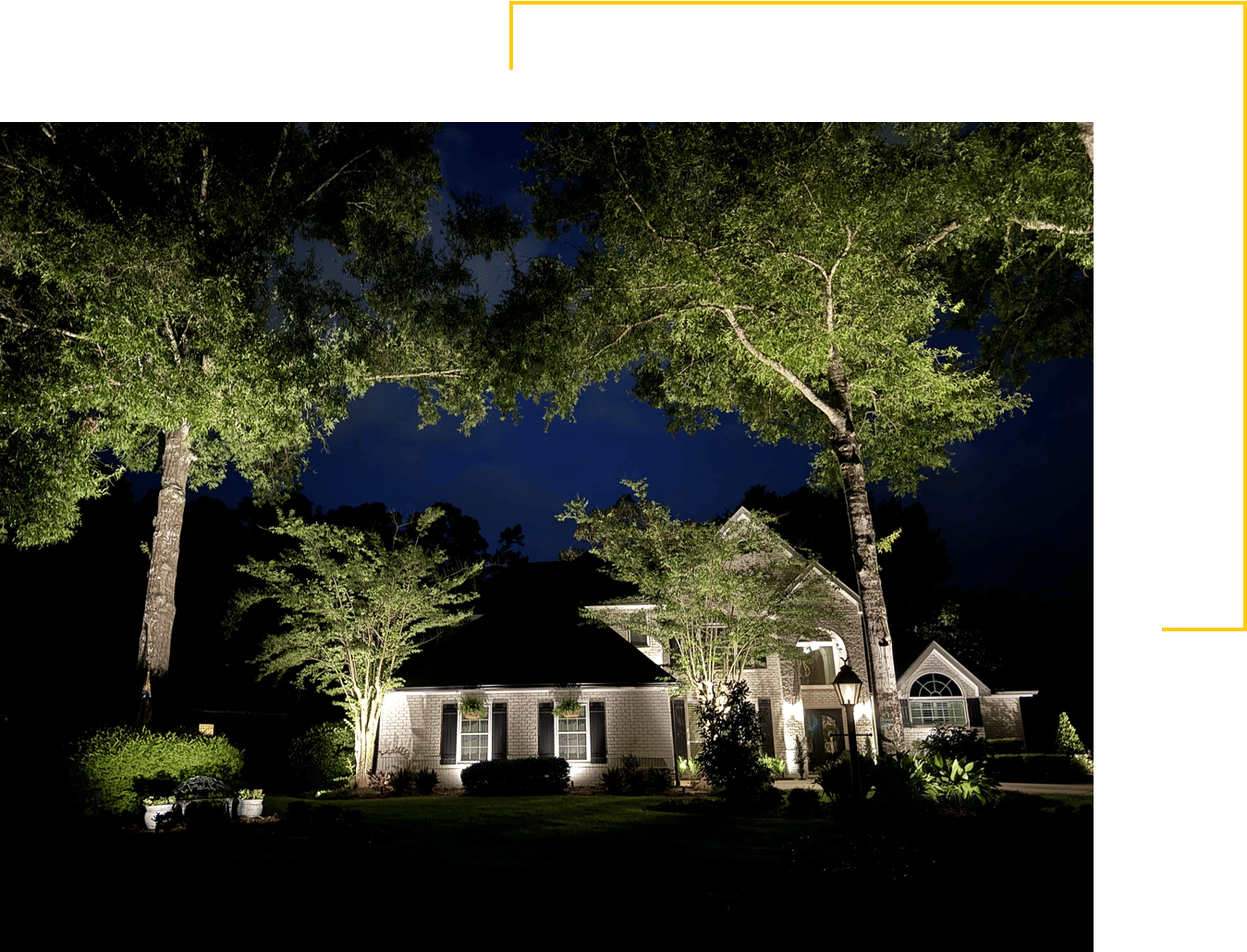
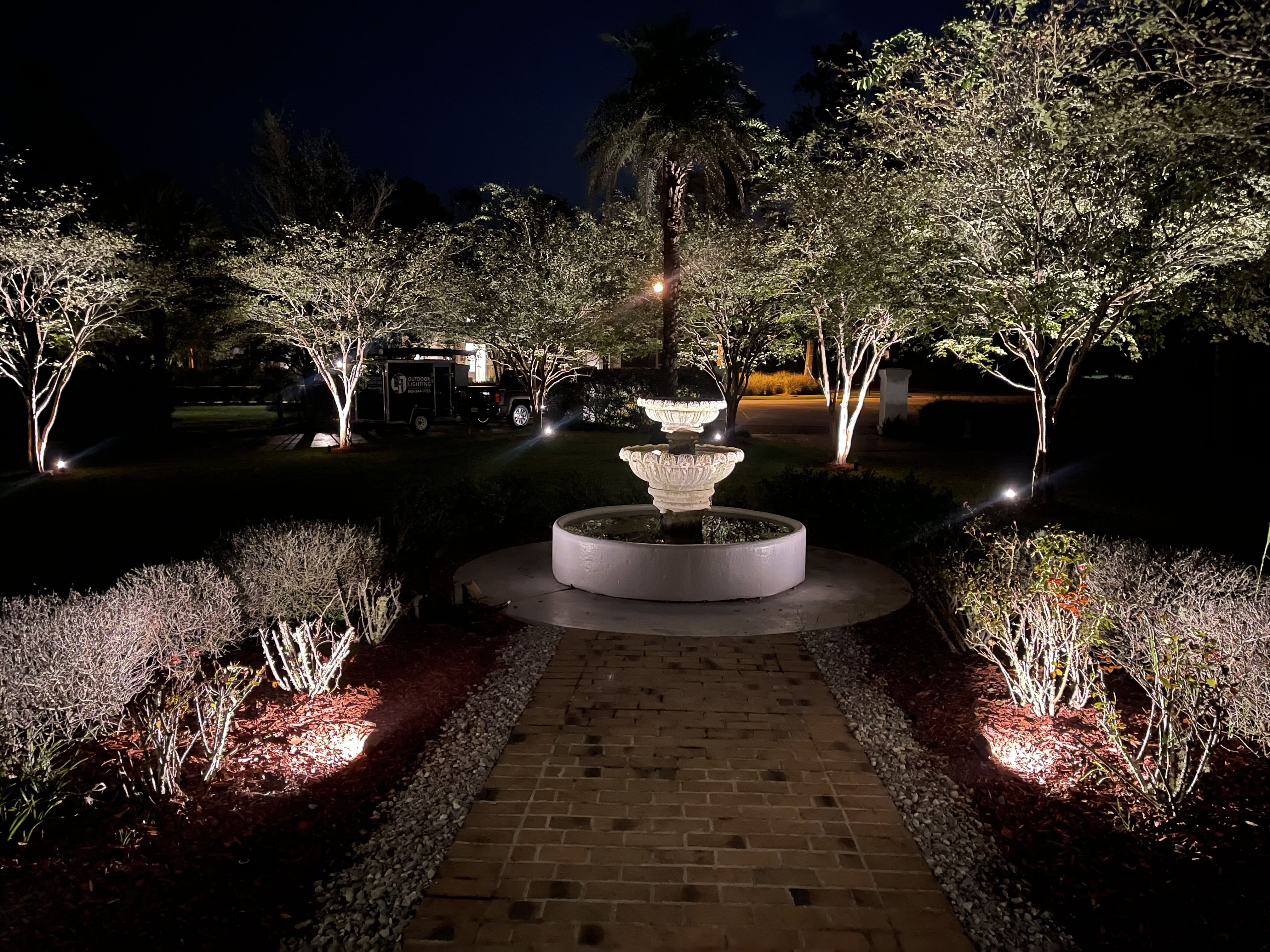
Tree lighting works because it adds vertical interest, which is what most yards lose at night. When the canopy is softly lit, the house feels grounded and the space feels larger, even if the lot is modest. That visual height also creates a strong background for patios, driveways, and walkways, making the entire landscape look more finished. The result is curb appeal that does not disappear when the daylight does.
Safety improves too, even though tree lighting is not the same as harsh security lighting. A well-lit yard reduces dark pockets, improves visibility around entry points, and supports cameras by creating more consistent ambient light. Guests feel more comfortable walking up to the front door, and homeowners feel better stepping outside after dinner. Tree lighting can look elegant while still helping your exterior feel more usable.
What Makes Great Tree Lighting Design
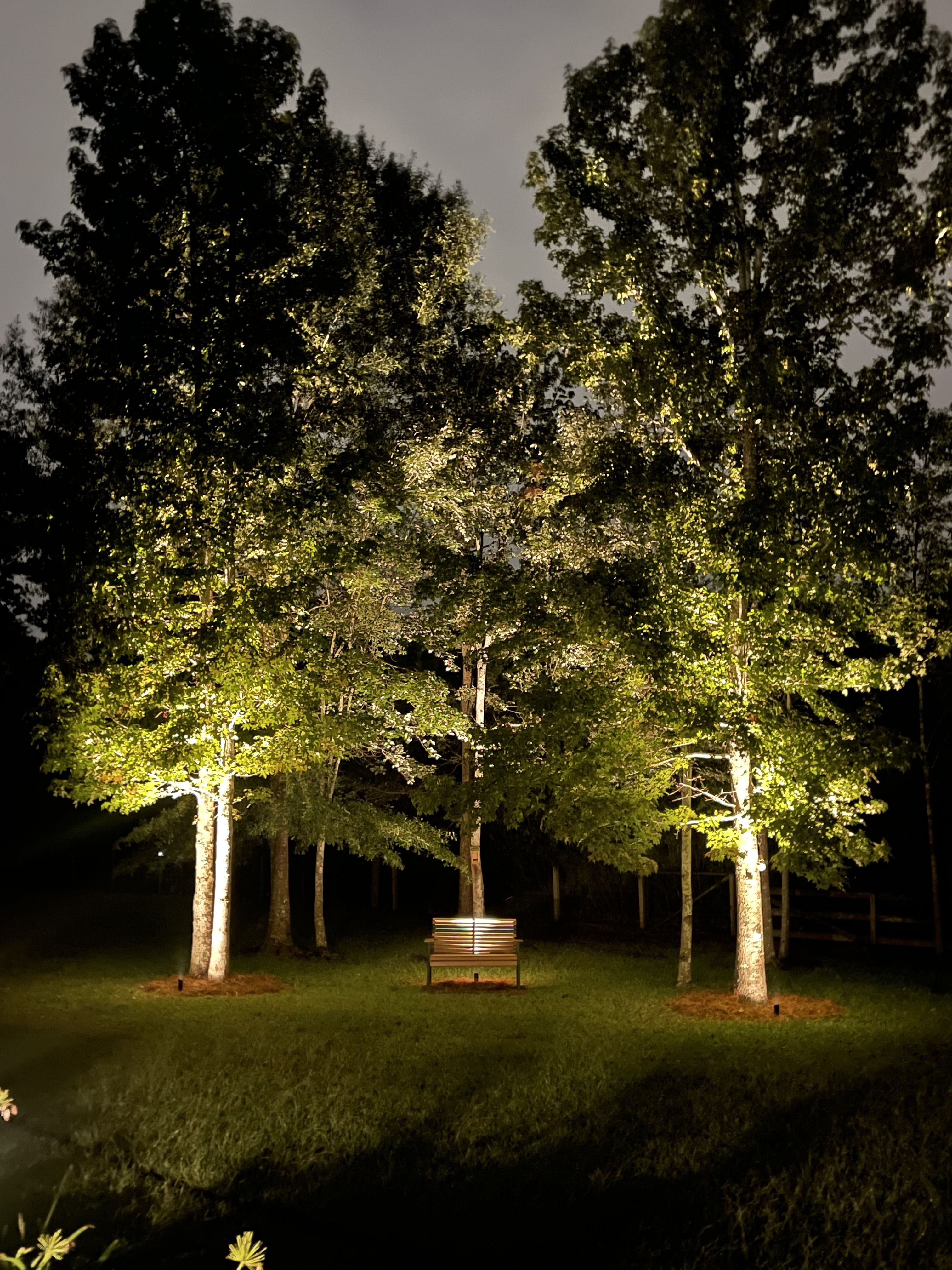
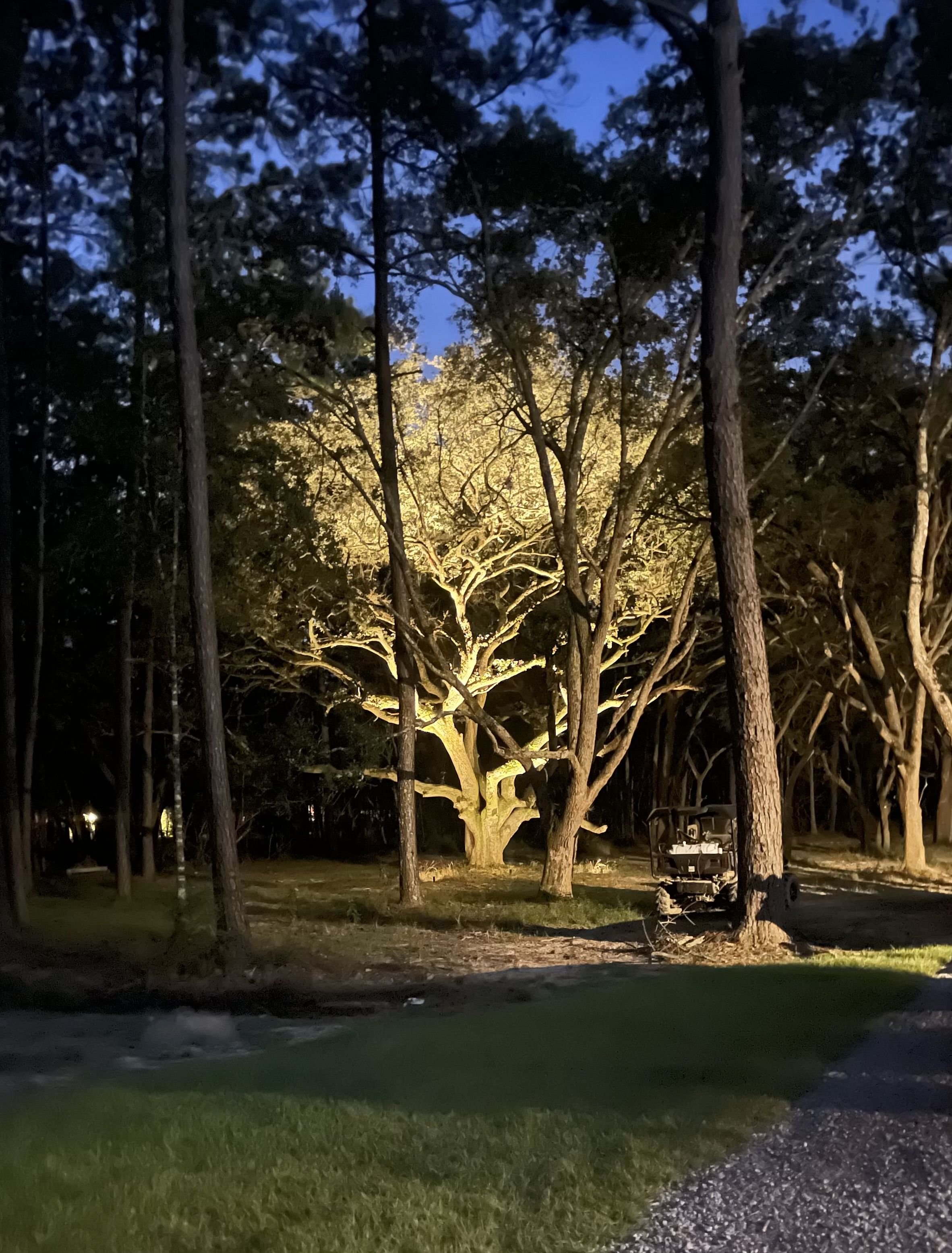
Great tree lighting starts with restraint, because the goal is to reveal the tree, not overpower it. The most successful designs use a few carefully aimed fixtures that create layers of light, shadow, and texture. That layering is what makes a live oak look majestic rather than flat, especially when the trunk, lower limbs, and canopy each get appropriate attention. LIT Outdoor Lighting designs tree lighting to look balanced from the street, from the driveway, and from inside the home.
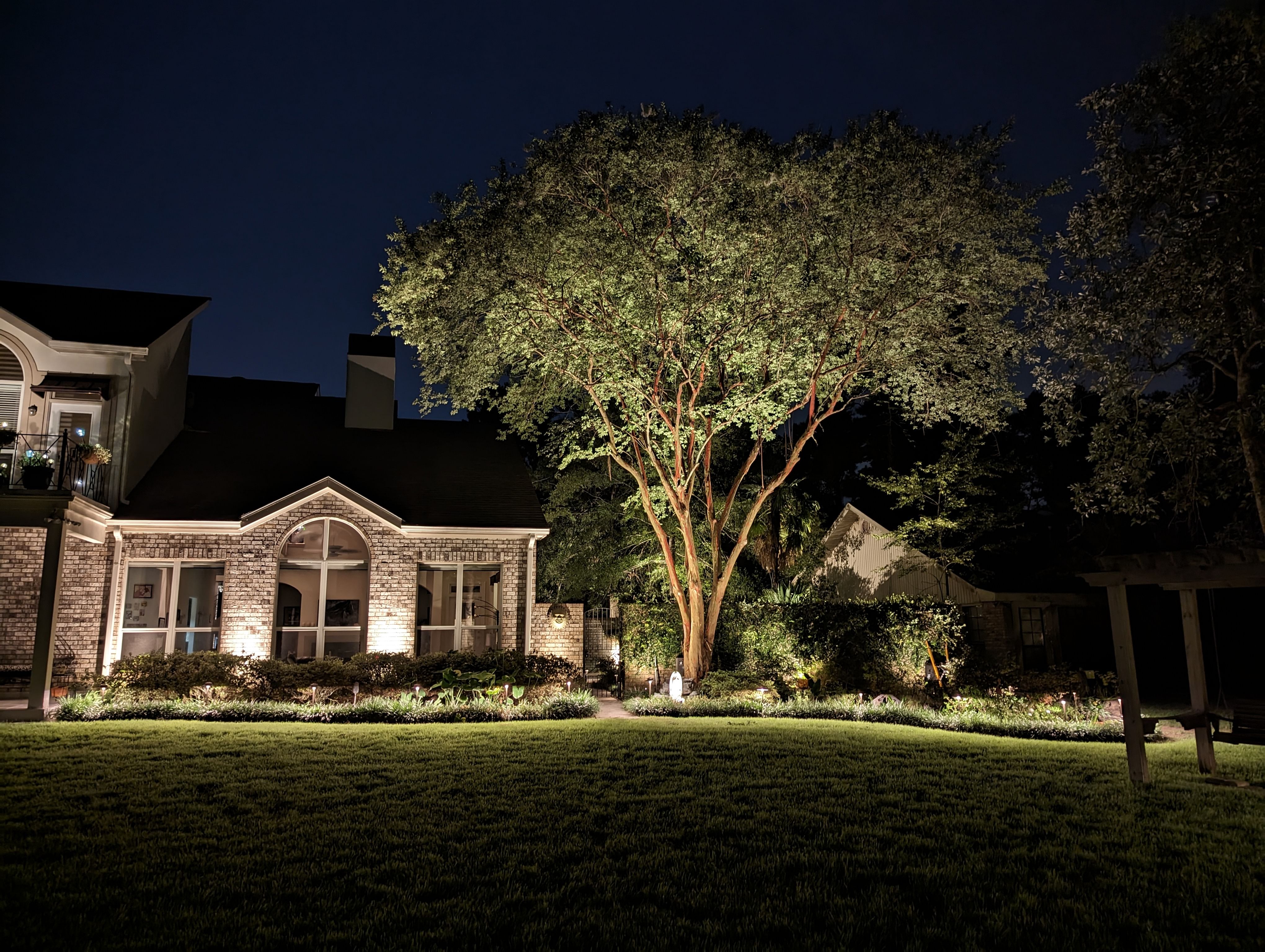
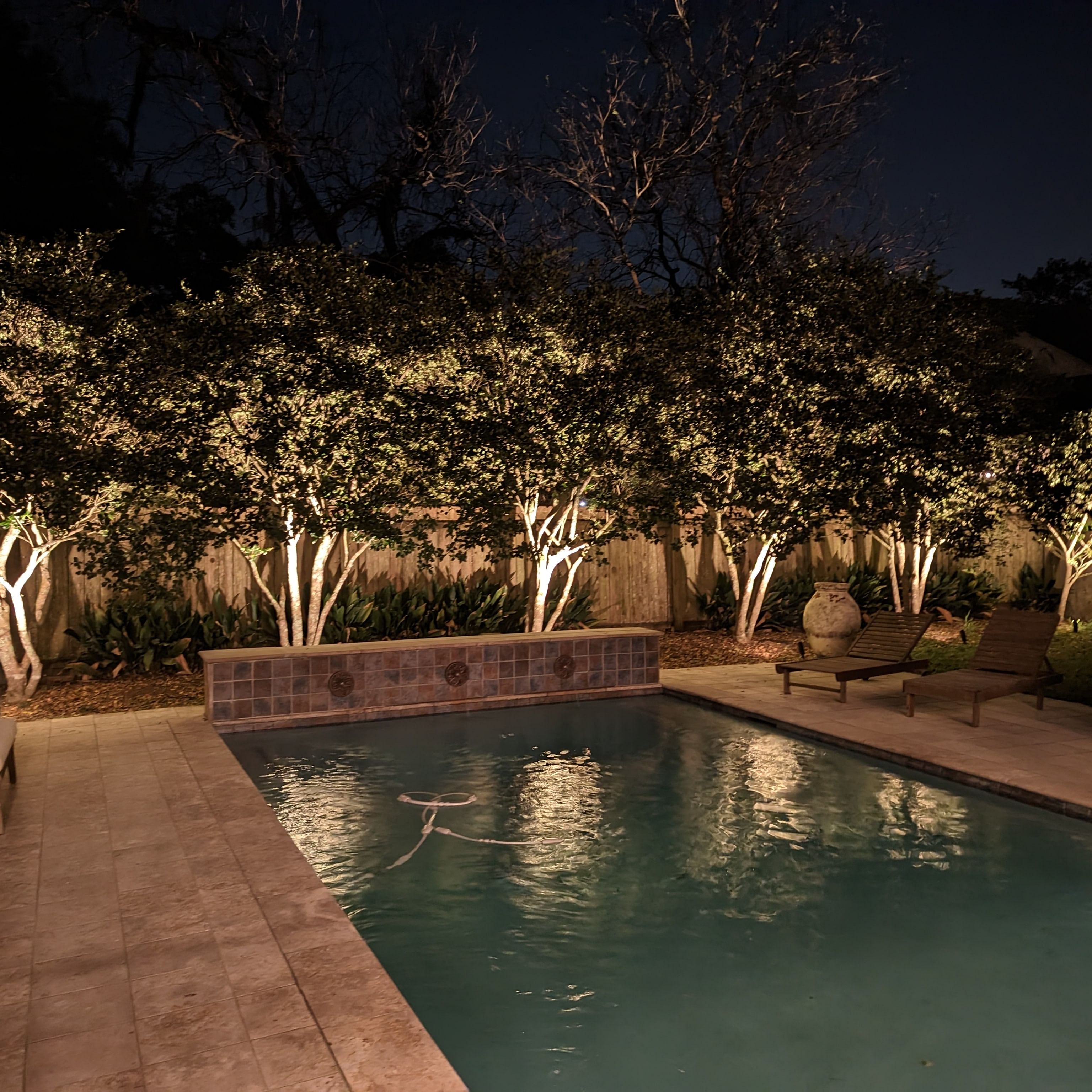
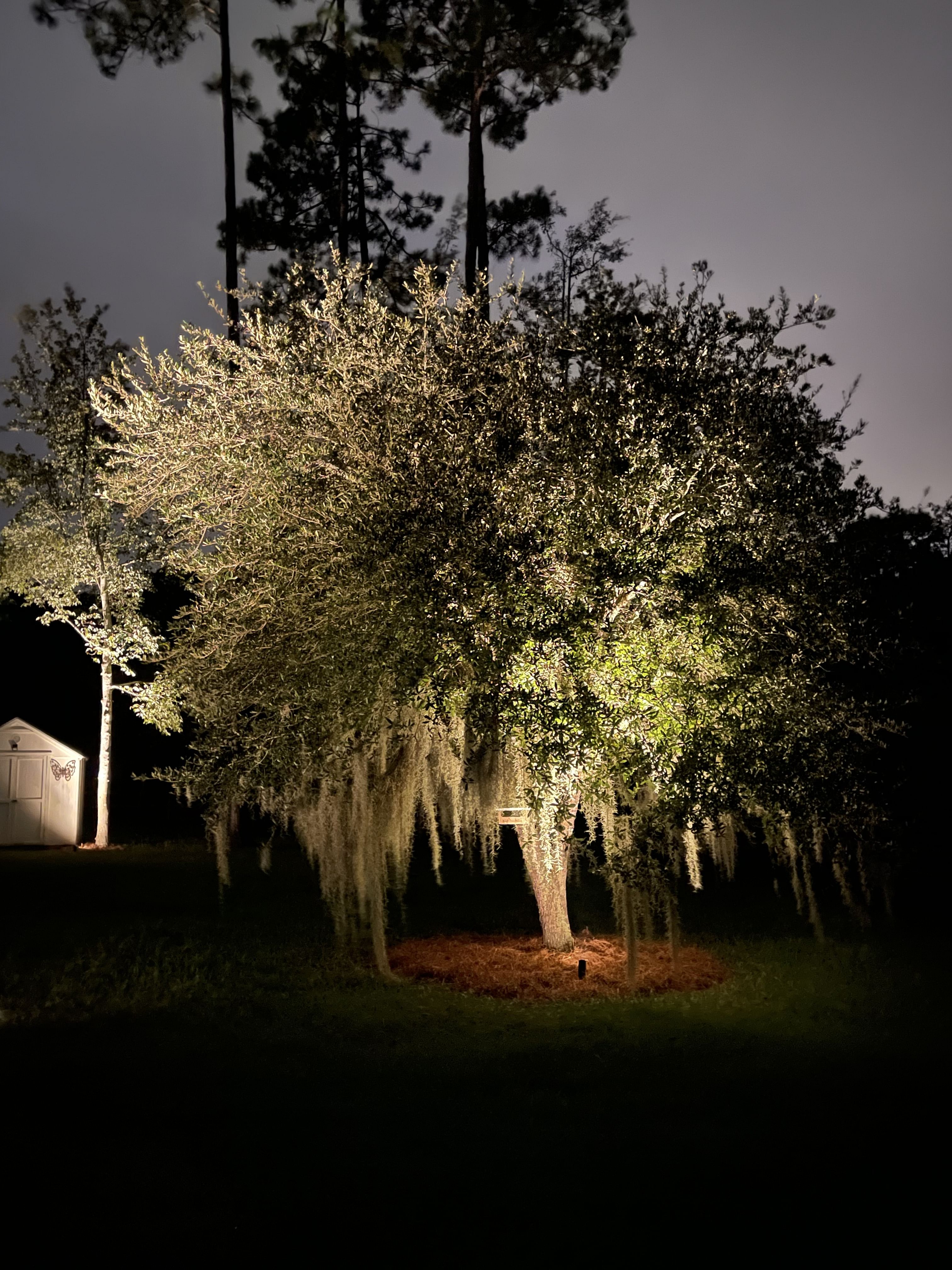
Placement matters as much as the fixtures themselves. A light that is only a few inches off can create glare, hot spots, or awkward shadows across the trunk. A fixture that is too close can produce a bright base and a dark canopy, which makes the tree look shorter than it is. A fixture that is too far can spill light into windows or wash out nearby plantings, which ruins the calm effect you want. Tree species and structure matter in Covington, because the landscape often includes large oaks, magnolias, and ornamental trees with very different branch patterns. Oaks often need multiple angles to keep the canopy from looking hollow, while magnolias can look best with softer light that respects the leaf texture. Crepe myrtles can be stunning when the trunks are highlighted, especially when multi-stem forms create natural sculpture. LIT Outdoor Lighting considers all of that before a single fixture is set.
Uplighting, Moonlighting, and Wrap Lighting
Uplighting: Uplighting is the classic approach, where light is placed at ground level and aimed upward to highlight the trunk and canopy. This style creates drama and presence, especially when you want your biggest trees to define the property at night. The key is controlling glare and balancing brightness, because uplighting can get harsh if it is not aimed precisely. When done right, it looks clean, warm, and architectural.
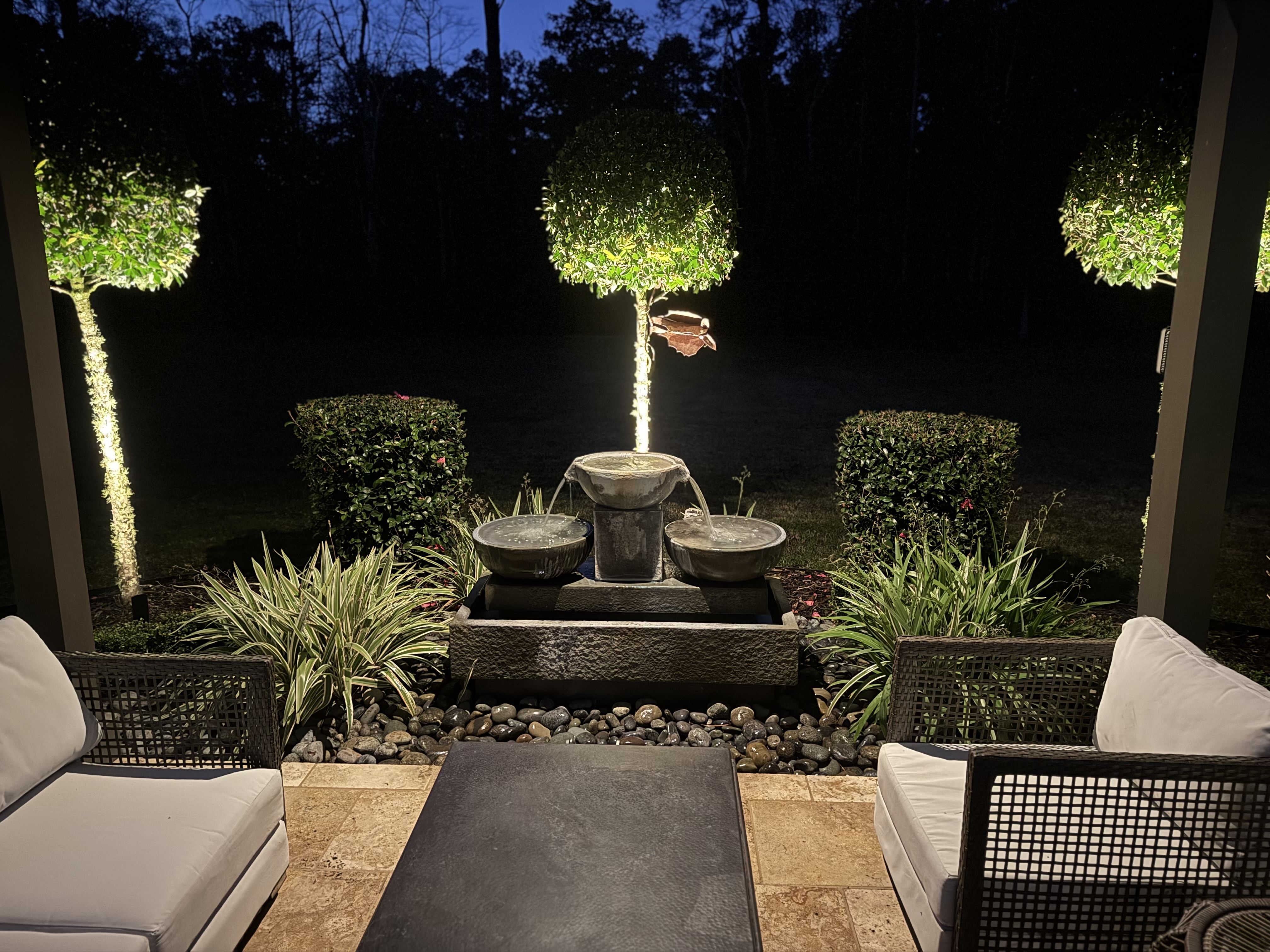
Moonlighting: Moonlighting uses fixtures placed higher in the tree or mounted nearby, aiming downward to mimic natural light filtering through branches. This style can be incredibly comfortable because it lights the ground, softens shadows, and avoids the “lights in your eyes” effect. Moonlighting is especially useful for patios, seating areas, and walkways that sit under trees. It also pairs well with uplighting, because the two approaches can complement each other without competing.
Wrap Lighting: Wrap lighting is typically used to add sparkle and definition, especially for seasonal looks or special events. The best wrap lighting avoids uneven spacing and messy cords, which is where many do-it-yourself attempts fall short. A professional approach keeps the installation tidy and the look consistent, whether it is a simple trunk wrap or a more detailed canopy pattern. LIT Outdoor Lighting can help you choose a style that feels festive without looking temporary.
Where Tree Lighting Works Best around a Covington Home
-
Signature front-yard trees that anchor curb appeal and make the home feel established
-
Driveway edges where canopy lighting creates a guided, upscale arrival
-
Patio and seating areas where moonlighting adds comfort and visibility without glare
-
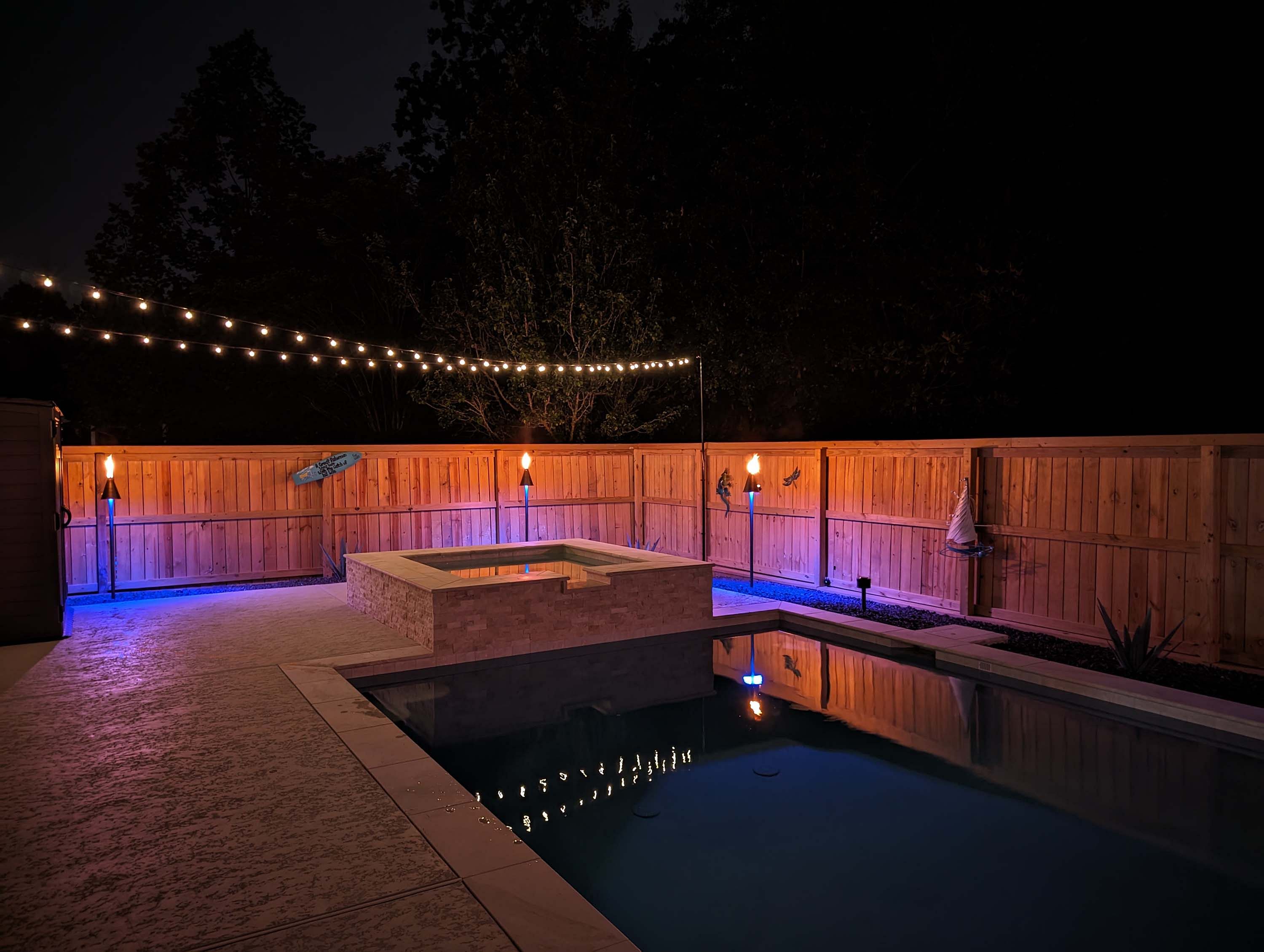
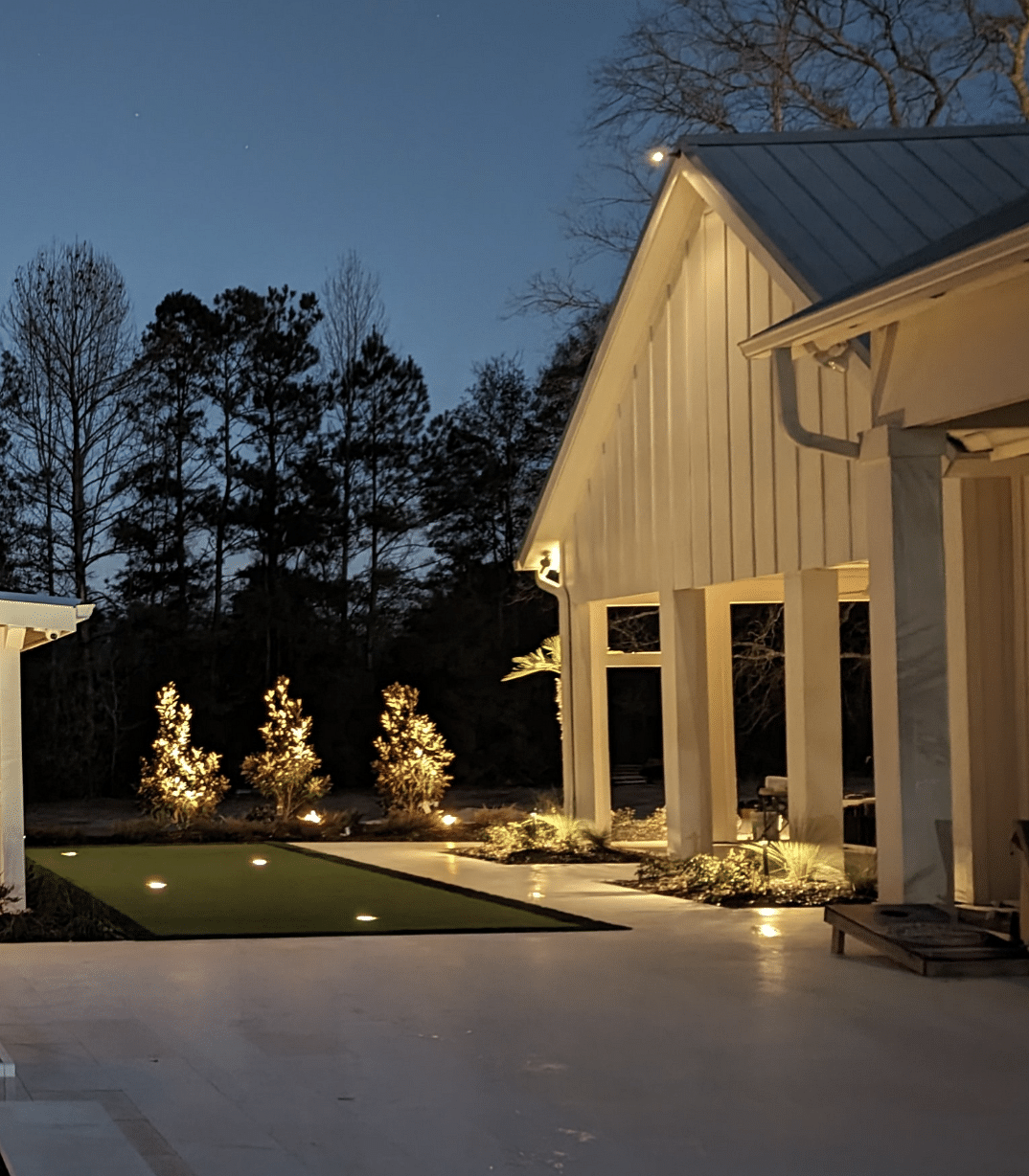
Pool decks where controlled lighting keeps the water and hardscape from feeling isolated at night
-
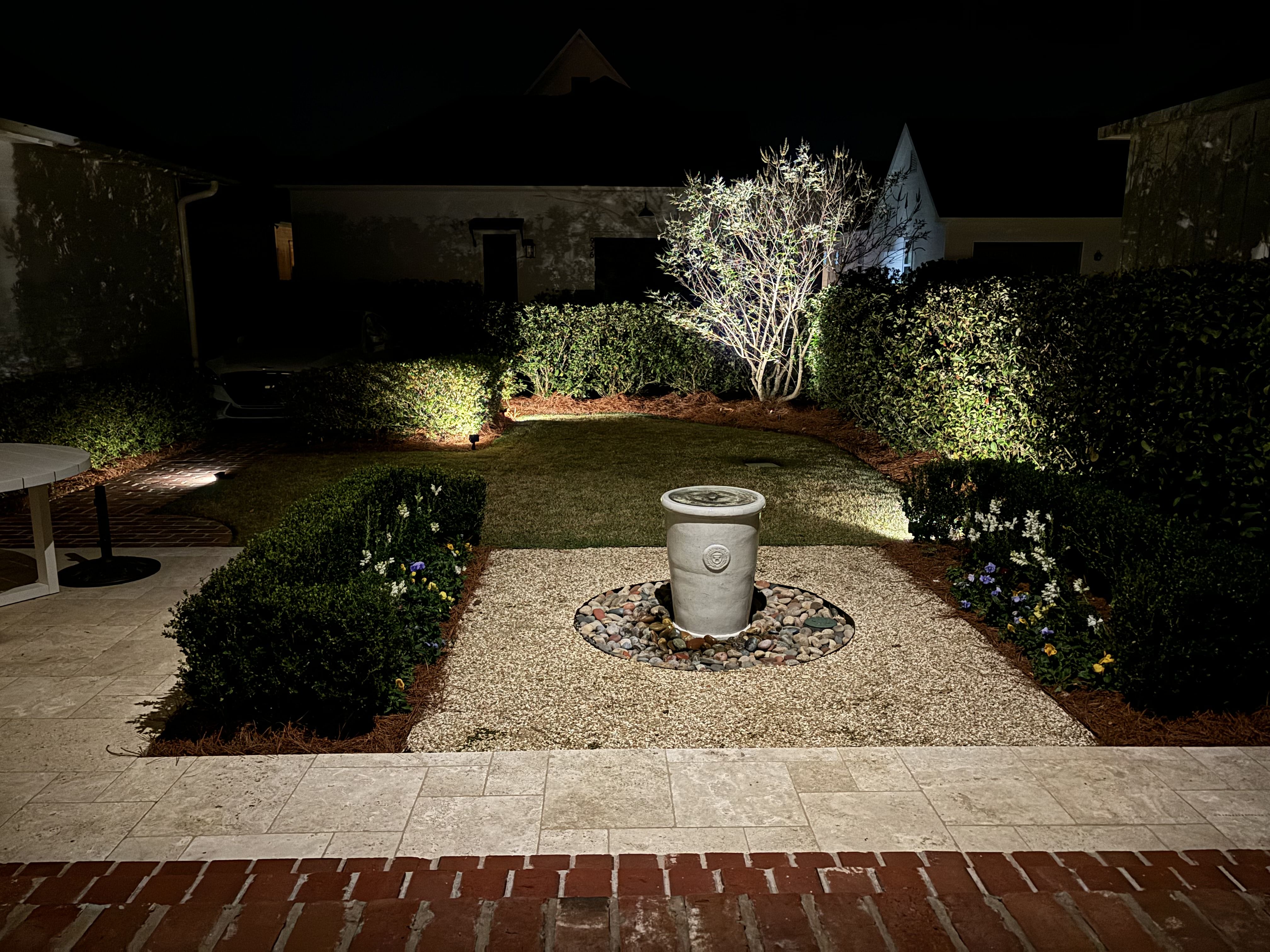
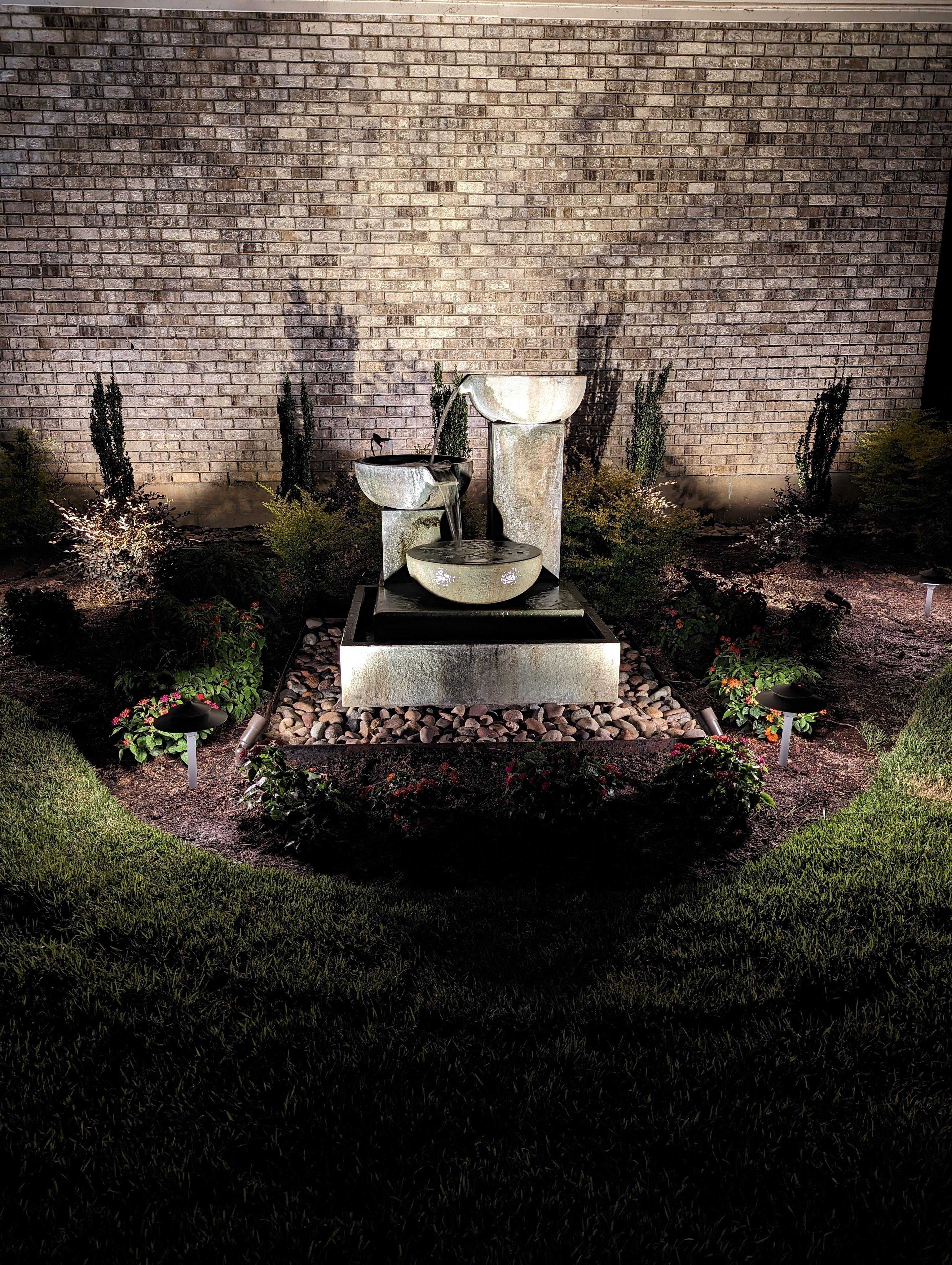
Garden beds near windows where soft uplighting improves the view from indoors
Materials, Fixtures, and Wiring That Hold Up
Outdoor lighting in Louisiana has to deal with humidity, heavy rain, insects, and sudden storms, which means material quality is not optional. Cheap fixtures corrode, lenses cloud, and connections fail, often right when you want your yard to look its best. Professional-grade fixtures are built for outdoor exposure and designed to manage heat, moisture, and long-term use. LIT Outdoor Lighting installs tree lighting systems that are meant to keep performing season after season.
Wiring and connections are just as important as the fixture you see. A lighting system is only as reliable as its splices, burial depth, and protection from water intrusion. Proper connections reduce flicker, prevent intermittent outages, and protect the transformer and fixtures from unnecessary stress. A clean, professional installation also keeps your landscape looking tidy, since wires should not be exposed or loosely routed.
Low-voltage systems are a smart fit for tree lighting because they provide control, efficiency, and scalability. The system can be expanded later if you add landscaping, extend a patio, or decide to highlight additional trees. The design can also be tuned for brightness and beam spread, which keeps the lighting looking intentional rather than random. LIT Outdoor Lighting plans for those future possibilities during the initial design.
How Installation Works With LIT Outdoor Lighting
A smooth installation starts with clear goals and a plan that respects both the property and the trees. LIT Outdoor Lighting looks at your trees in daylight, then thinks through how they will appear at night from the street and from your favorite viewpoints. The team considers sightlines, glare control, and how the lighting will interact with windows, driveways, and outdoor living spaces. That planning phase keeps the final result cohesive instead of pieced together.
1
Walkthrough and Priorities
Your property is evaluated, focal trees are identified, and a clear visual goal is set for the front yard, backyard, or both.
2
Design and Fixture Selection
Beam angles, mounting locations, and fixture types are chosen to match tree size, canopy shape, and desired brightness.
3
Professional Installation
Wiring is routed cleanly, connections are protected, and fixtures are positioned to avoid glare while maximizing natural texture.
4
Nighttime Aiming and Adjustments
Lights are aimed after dark, fine-tuned for balance, and tested to confirm the lighting looks consistent from key viewpoints.
5
Final Review and Care Guidance
You get a walkthrough of the system, control options are explained, and simple maintenance guidance is provided.
A good installation also protects the look of the landscape. Fixtures should disappear into the planting beds during the day, and the lighting effect should feel like it belongs to the property at night. The final adjustments are where the magic happens, because even great placement needs precise aiming after dark. LIT Outdoor Lighting treats that step as essential, not optional.
Safety, Tree Health, and Responsible Lighting
Tree lighting should respect the tree, which means avoiding practices that harm bark, restrict growth, or create ongoing stress. Thoughtful placement avoids damaging roots and keeps fixtures positioned so they do not become obstacles for mowing or maintenance. When mounting solutions are used for moonlighting, the approach should be designed to minimize impact and allow for future adjustment. LIT Outdoor Lighting takes tree health seriously because the goal is to highlight a living feature, not compromise it.
Responsible lighting also means reducing glare and spill. Poorly aimed uplights can shine into windows, distract drivers, or create a harsh look that feels uncomfortable to be around. A professional design controls beam spread, chooses appropriate brightness, and uses shielding when needed. The result looks refined and protects the calm, upscale mood most homeowners want.
Color Temperature
Color temperature is one of the biggest factors in whether tree lighting feels warm and inviting or cold and clinical. A warm tone typically flatters bark textures and leaf shapes, especially on oaks and magnolias, and it pairs naturally with most exterior finishes. Consistency matters, because mixed tones can make the yard feel disjointed even if the fixtures are high quality. LIT Outdoor Lighting helps you choose a tone that complements your home, your landscape, and your other exterior lighting.
Control Options
Controls can be simple or sophisticated, depending on what you want. Timers are a reliable choice for homeowners who want the lights to turn on automatically at dusk and shut off at a sensible hour. Smart controls add flexibility, since you can adjust schedules, create scenes, and manage zones without stepping outside. A well-designed control plan also helps prevent wasted energy, because you can brighten key areas early in the evening and lower output later at night.
Seasonal Looks Without Seasonal Hassle
Tree lighting can adapt beautifully to the seasons, especially in a place like Covington where outdoor living stays active for much of the year. Summer nights often call for softer, comfortable lighting that supports patios and gatherings without feeling intense. Fall and winter can handle a bit more contrast, since the yard benefits from extra definition when evenings come earlier. A professional system can be tuned to match that rhythm, rather than locking you into one look forever.
Seasonal sparkle can also be done in a way that still feels refined. A tasteful wrap lighting approach can add charm for holidays and events, then transition back to a clean architectural look when the season ends. The key is planning the system so seasonal elements do not look like an afterthought. LIT Outdoor Lighting can build a tree lighting plan that stays elegant all year, while still leaving room for special moments.
4 Key Reasons Why Professional Tree Lighting Beats DIY
1. Cleaner curb appeal through balanced aiming, glare control, and consistent color
2. Better reliability through protected connections, proper routing, and quality components
3. A more natural look because the lighting reveals tree shape and texture instead of washing it out
4. Easier long-term ownership with scalable design, thoughtful zoning, and clear control options
Tree Lighting for Commercial Properties and HOAs in St. Tammany Parish
Tree lighting is not only for homes, because commercial properties and neighborhood entrances benefit even more from a strong nighttime identity. Lit trees create a welcoming first impression for offices, restaurants, and retail spaces, especially when the parking area and walkways feel connected to the building. A well-lit canopy also softens hardscape-heavy spaces, making the property feel more comfortable and cared for. LIT Outdoor Lighting installs tree lighting that supports branding, visibility, and guest comfort without creating harsh glare.
HOA entrances and common areas often need lighting that feels upscale while remaining practical for residents and visitors. Tree lighting can highlight monument signs, enhance landscaped medians, and improve nighttime navigation without relying on overly bright poles. Consistent lighting also makes neighborhoods feel more cohesive, which matters for property values and pride of place. A professional design balances beauty and function while respecting the surrounding homes.
Pricing Factors and How to Get the Most Value
Tree lighting pricing depends on how many trees you want to highlight, the size and shape of those trees, and the complexity of the installation. A large live oak with a wide canopy often requires more than one fixture to look balanced, especially if you want coverage from multiple viewing angles. Properties with long driveways, deep setbacks, or multiple focal areas may also need more wiring and zoning to keep the system performing consistently. LIT Outdoor Lighting helps you prioritize the highest-impact areas first, then build from there when it makes sense.
Fixture quality and control options influence cost as well. Professional-grade fixtures cost more than basic options, yet they usually deliver better output, better durability, and a more refined beam. Smart controls and zoning add convenience and flexibility, especially when you want different looks for different parts of the yard. The best value typically comes from a design that uses the right fixtures in the right places, instead of trying to brute-force the effect with extra brightness.
Value also comes from planning for the long term. A scalable system can grow as your landscape grows, and a clean installation reduces maintenance headaches later. A thoughtful layout can also prevent wasted light, which means your system looks better while staying efficient. LIT Outdoor Lighting focuses on building a tree lighting system you will enjoy for years, not one that only looks good on day one.
Ready for Tree Lighting That Looks Incredible Every Night?
A great tree lighting system makes Covington homes feel more inviting, more polished, and more enjoyable after sunset, whether you are hosting friends or simply pulling into the driveway after a long day. The right design highlights what makes your property special while staying comfortable on the eyes and dependable in Louisiana weather. Professional installation also gives you confidence that the system is built cleanly, aimed correctly, and ready to perform night after night. LIT Outdoor Lighting brings that full-package approach to every tree lighting project.
Choose LIT Outdoor Lighting for the best tree lighting installers services around Covington, LA, and get a look that feels intentional, welcoming, and built to last.
A simple conversation can clarify what you want to highlight, how you want it to feel, and what kind of control and schedule fits your routine. Your trees already add beauty in the daytime, and the right lighting lets that beauty keep working after dark. Reach out to LIT Outdoor Lighting and let your landscape shine with professional tree lighting that looks as good as it feels.


Service Areas
Serving all of Southeast Louisiana including:
St. Tammany Parish
-
Lacombe
-
Pearl River
-
Folsom
-
Sun
-
Eden Isle and Bush
Tangipahoa Parish
-
Amite
-
Hammond
-
Ponchatoula
-
Kentwood
-
Independence
-
Tickfaw
-
Roseland
-
Loranger
-
Natalbany